
 English
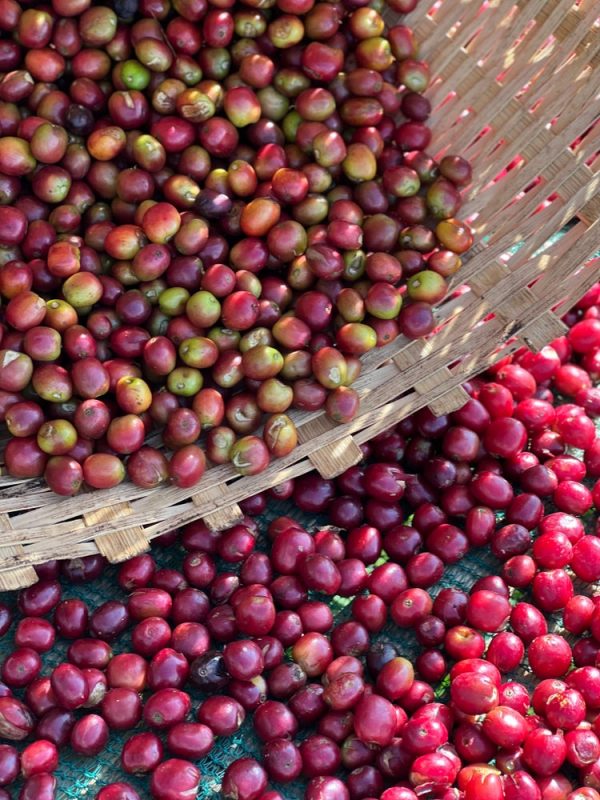
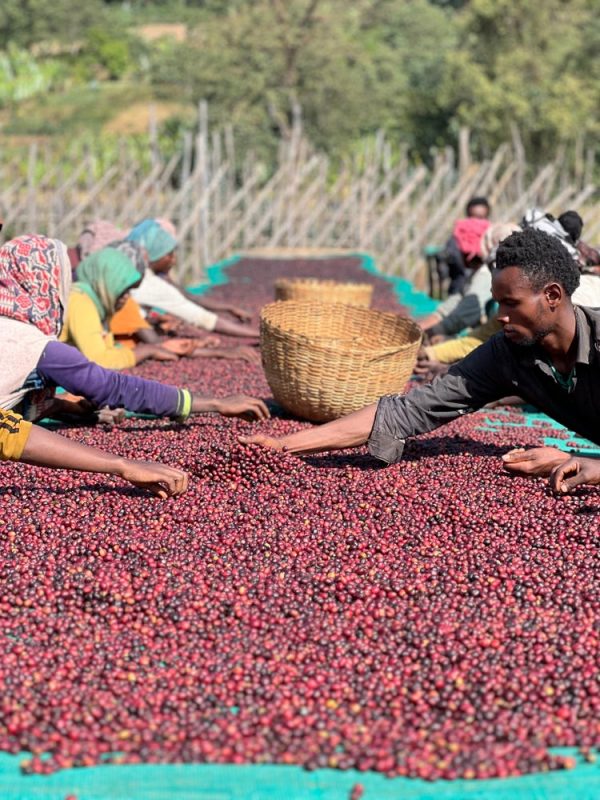
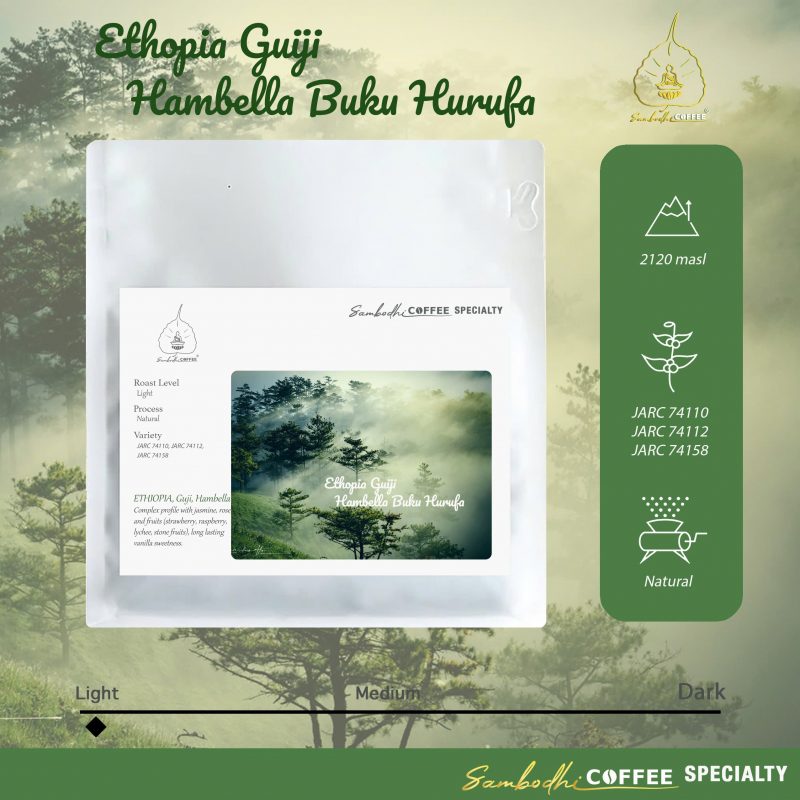
Coffee Grade:NAT.GUJI.GRD1Farm/Coop/Station:Buku Hurufa washing stationVarietal:JARC 74110, JARC 74112, JARC 74158Processing:NaturalAltitude:2,120 meters above sea levelOwner:Farmers delivering to Buku Hurafa washing stationSubregion/Town:Buku Hurufa, Hambela,Region:GujiFarm Size:<2 hectares on averageBag Size:60kg GrainProHarvest Months:Low elevations: October – December | High Elevations: November – January
Lulo Coffee built the esteemed Buku Hurufa washing station in 2020. Their focus is on processing Naturals and Anaerobic Naturals that showcase the unique flavors and characteristics of these exceptional coffees while minimizing their environmental impact.
Situated in one of three Kebeles in the area that bears the name “Buku” (Buku Hurufa, Buku Sisa and Buku Abel), the word means dust. This region has a fascinating history and was once a stopping point for Borena cattle herders who were en route to Lake Abaya to collect salt. When the herds arrived they stirred up clouds of dust and the locals affectionately began referring to the river and the surrounding neighborhood as Buku.
Hambela Guji, where the station is located, is renowned for its exceptional coffee-growing regions including Benti Nenka, Buku, Buleye, Bedesa, Dekitu, Deri, Dabaye, Rogicha, Siqqe Bukusa and many more. Among these remarkable areas, Buku stands out as a producer of highly sought-after cherry. Mill owners from across Hambela regularly dispatch their cherry-buying agents to Buku, leading to a high demand and elevated cherry prices in this region. Additionally, due to its high altitude, the harvest in Buku begins later compared to other districts in Hambela, meaning that even cherry harvested at the beginning of Buku’s harvest season are priced at peak cherry prices.
Buku has gained recognition for its exotic flavor profiles. Not only that, but beans from Buku tend to be highly dense yet smaller in size. For instance, this year’s harvest saw only 26% of the cherry above 14 screen size, with 67% falling between 13 and 14 screen size. These extremely dense beans are the product of the high altitudes that create the cooler nights when cherry concentrates sugars and grows more slowly.
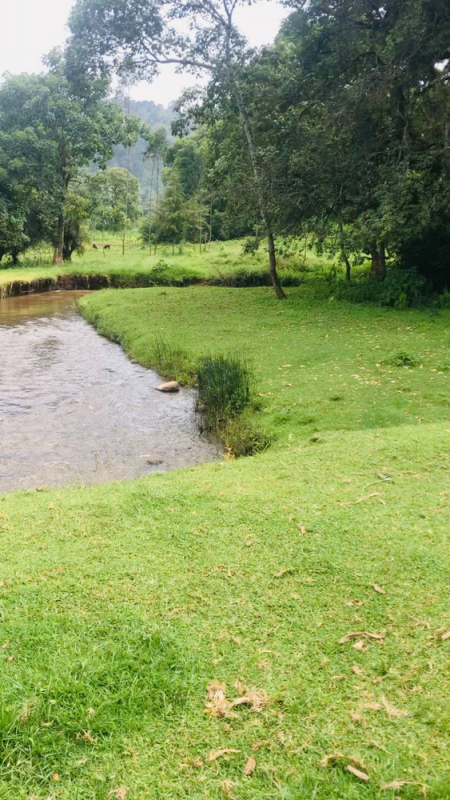
Located in the remote part of Buku Hurufa, the mill is nestled amidst pristine surroundings and accessible only via a challenging dirt road and a river crossing. However, during the rainy season, the mill becomes temporarily inaccessible due to the road conditions. A crystal-clear river, known as Buku and also as Mormora or Awata, gracefully meanders through the mill, adding to its serene ambiance. This river joins the Dawa River in eastern Ethiopia, eventually making its way through Kenya before merging with the Juba River in Somalia and flowing into the vast expanse of the Indian Ocean. Protecting this river for surrounding communities and future generations is also part of the reason the mill processes mainly Naturals and Anaerobic Naturals, two processing methods that use far less water than traditional methods like Fully washed.